Calculator
Video player with fact-check
- Channel
- aphapharmacists (medical society or nonprofit)
- Original
- Watch on YouTube
- Length
- 4:06
- Verified
- oEmbed record confirmed 2026-09-04; uploaded 2024-12-10


What the video covers
A four-minute APhA training clip for pharmacists giving a subcutaneous vaccine. It shows how to find the site over the triceps on the back of the upper arm, cleaning with alcohol and letting it dry, having a bandage and gauze ready and the sharps container beside the dominant hand, visualising a 45-degree angle, holding the arm gently without pinching hard, a smooth darting insertion, switching hands to depress the plunger, withdrawing, activating the safety device, direct disposal, checking for bleeding, watching the patient for reactions, glove change and hand hygiene, and asking the patient to wait 15 minutes.
What it gets right
For what it is, it is precise. The triceps landmark is the CDC-described subcutaneous vaccine site. The sequence of clean, dry, insert smoothly, inject, withdraw, safety device, sharps, then observe, is the sequence the CDC's vaccine administration guidance describes, and the reminder that hard pinching or pulling is unnecessary applies to any subcutaneous injection. The post-injection observation step is specific to vaccines and anaphylaxis risk, but the habit of pausing and checking the site is a good one.
What it leaves out or overstates
It is about a professional injecting a patient in the arm, and most GLP-1 doses are self-injected in the abdomen or thigh. The GLP-1 labels list abdomen, thigh and upper arm; the upper arm is practical mainly when someone else is injecting, as the Harvard prescribing video in the semaglutide playlist notes. Self-injecting the back of your own arm is awkward and the labels do not require it.
The 45-degree angle is the vaccine convention for the needles used in that setting. Pen labels for Wegovy and Zepbound show a straight, 90-degree insertion, and short insulin-syringe needles are also used at 90 degrees in most adults. Follow the instructions for use dispensed with your product.
Nothing here is about dose. A vaccine is a fixed volume drawn by the pharmacist; a GLP-1 from a vial requires the person to read a concentration and convert a milligram dose to syringe units, and a pen requires dialling or a preset. The video does not, and could not, cover that.
Where to go next
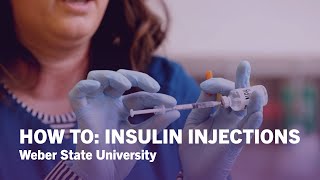
The VA and Weber State videos earlier in this playlist show the vial-and-syringe steps that precede the injection. FormBlends Guides covers technique by site, including when the upper arm makes sense. For the concentration arithmetic, use FormBlends Calculators. FormBlends' compounded products are described at formblends.com; compounded semaglutide and tirzepatide are not FDA approved, and your pharmacy's written instructions define your technique and dose.
Sources (3)
Show the referencesHide
- CDC: Vaccine administration, route and site (subcutaneous technique) Accessed September 4, 2026.
- Wegovy (semaglutide) prescribing information, DailyMed set id ee06186f-2aa3-4990-a760-757579d8f77b (injection sites) Accessed September 4, 2026.
- Zepbound (tirzepatide) prescribing information, DailyMed set id 487cd7e7-434c-4925-99fa-aa80b1cc776b (injection sites) Accessed September 4, 2026.
Canonical URL: https://formblendsvideos.com/videos/apha-subcutaneous-injection-administration. Written by the FormBlends editorial team. This page is educational and is not medical advice; see the medical disclaimer.