Calculator
Video player with fact-check
- Channel
- Cleveland Clinic (health system)
- Original
- Watch on YouTube
- Length
- 45:05
- Verified
- oEmbed record confirmed 2026-09-04; uploaded 2025-11-05


What the video covers
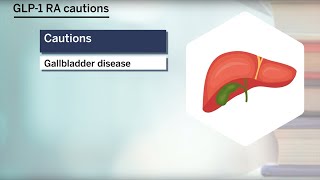
Cleveland Clinic's Health Essentials podcast spends 45 minutes with endocrinologist Dr. Keren Zhou. Topics: how GLP-1 receptor agonists suppress hunger, produce early fullness and improve insulin resistance; that exenatide arrived in 2005; that all but the oral tablet are injections, most of them weekly; that they are long-term therapy and weight rebounds when stopped; expected weight loss by agent; the "big five" gastrointestinal effects and how common they are; pancreatitis, thyroid warnings and other rare events; and the body-shape changes people describe.
What it gets right
The mechanism is described in the right proportions, with central appetite suppression first and gastric slowing second. The history is right. The long-term framing is supported by STEP 4, in which people switched to placebo after 20 weeks regained 6.9 percent while those who continued lost a further 7.9 percent (PubMed 33755728). The side-effect section is the strongest part of the episode: Dr. Zhou says GI effects occurred in upwards of half of trial participants and more in practice, that they are not minor, that they usually fade after the first weeks, and that a minority of about 5 to 10 percent cannot tolerate the drug at all. STEP 1's 74 percent any-GI-event rate and 7 percent discontinuation sit comfortably with that description. Her handling of pancreatitis and the thyroid warning is careful and label-consistent.
What it leaves out or overstates
The efficacy ranges are rounded in a way that flatters the top end. "10 to 20 percent" for semaglutide matches STEP 1's 14.9 percent mean with wide individual spread; "15 to 25 percent" for tirzepatide is a range of arm means (15.0, 19.5 and 20.9 percent in SURMOUNT-1) and individual outcomes, not a typical result. The comparison with bariatric surgery at "about 30 percent" is fair.
The line that the drug is "almost like giving yourself a gastric band in a shot" overstates the stomach. Delayed gastric emptying is real early in treatment but attenuates with continued weekly semaglutide; the durable effect is central. The opening statistics, a 600 percent rise in use over five years and one in eight US adults having used one, are not sourced on air; the second is close to a 2024 national poll figure, the first we could not trace.
The episode does not discuss cost or coverage in any depth, and it does not mention compounded products at all, which in 2025 were a large share of real-world use. Compounded semaglutide and tirzepatide, including what FormBlends dispenses, are not FDA approved and are not the products in the trials Dr. Zhou cites.
Where to go next
The side-effects playlist takes each of the "big five" further, including a Stanford dietitian's hour on managing them. For expected weight loss applied to your own weight, with the trial curves labelled as population averages, use the projection tool on FormBlends Calculators. The maintenance question is covered on Weight Loss on GLP-1s. FormBlends' own products are at formblends.com.
Questions people ask
How common are gastrointestinal side effects on a GLP-1?
In the pooled Wegovy trials, nausea was reported by 44 percent of the 2.4 mg group against 16 percent on placebo, diarrhoea by 30 versus 16 percent, vomiting by 24 versus 6 percent and constipation by 24 versus 11 percent. Any gastrointestinal event was reported by 74 percent of the semaglutide group in STEP 1. Most events were mild to moderate and clustered around dose increases; discontinuation for adverse events in STEP 1 was 7 percent.
Sources (4)
Show the referencesHide
- Wegovy (semaglutide) prescribing information, DailyMed set id ee06186f-2aa3-4990-a760-757579d8f77b Accessed September 4, 2026.
- Wilding JPH et al. Once-weekly semaglutide in adults with overweight or obesity (STEP 1). N Engl J Med 2021. PubMed 33567185 Accessed September 4, 2026.
- Jastreboff AM et al. Tirzepatide once weekly for the treatment of obesity (SURMOUNT-1). N Engl J Med 2022. PubMed 35658024 Accessed September 4, 2026.
- Rubino D et al. Effect of continued weekly subcutaneous semaglutide vs placebo on weight loss maintenance (STEP 4). JAMA 2021. PubMed 33755728 Accessed September 4, 2026.
Canonical URL: https://formblendsvideos.com/videos/cleveland-clinic-glp1-questions-answered. Written by the FormBlends editorial team. This page is educational and is not medical advice; see the medical disclaimer.